
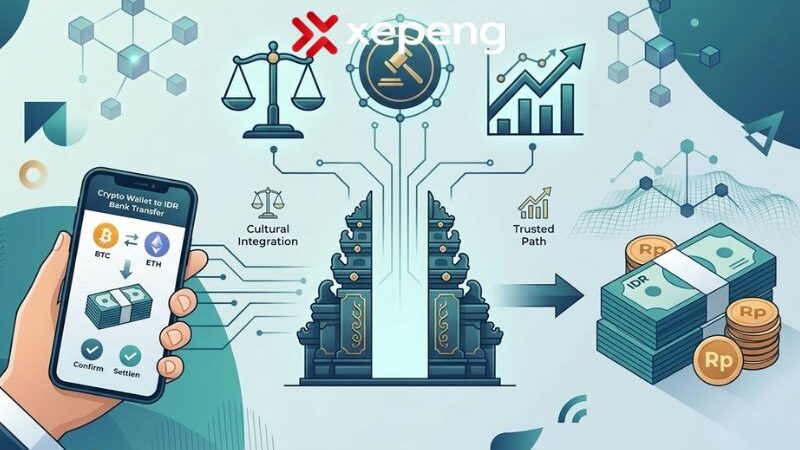
As of 2026, the digital asset landscape in Indonesia has reached a pivotal maturity. While the world watches the rise of Bitcoin and stablecoins, business owners in tourism hubs like Bali and Jakarta are asking one critical question: Can I legally accept crypto payments in Indonesia?
The answer is nuanced, but with the right infrastructure, it is a resounding “Yes” for business growth. Here is everything you need to know about the current regulations and how to stay compliant.
The Legal Status of Crypto in Indonesia (2026 Update)
Under the latest OJK Regulation (POJK) No. 23 of 2025, the oversight of crypto assets has officially transitioned from Bappebti to the Financial Services Authority (OJK).
1. Crypto as an Asset, Not a Currency
According to Law No. 7 of 2011 on Currency, the Indonesian Rupiah (IDR) remains the only legal tender for payments within the territory of Indonesia. You cannot “price” your products in BTC or ETH, nor can you store crypto directly as a form of payment in your business ledger.
2. The Role of Onshore Conversion
The legal “bridge” for merchants is IDR Settlement. This means a customer pays using their digital assets, but the merchant receives Rupiah directly into their bank account. This process ensures:
- Compliance with Bank Indonesia’s mandate.
- Zero exposure to crypto price volatility for the merchant.
- Transparent tax reporting under PMK No. 50 of 2025.
How Businesses in Bali are Adopting Crypto Solutions
With millions of international tourists visiting Indonesia annually, many prefer using stablecoins (like USDT or USDC) to avoid high credit card foreign exchange fees. By using a platform like Xepeng, merchants can tap into this global purchasing power legally.
Benefits of Crypto-to-IDR Settlement:
- Lower Transaction Fees: Traditional international bank wires and credit card processors can charge 3% to 5%. Crypto settlements are often significantly more cost-effective.
- Instant Verification: No more waiting days for international “pending” transactions.
- Boosted Sales: Attract tech-savvy travelers and digital nomads who prioritize businesses offering modern payment flexibility.
Staying Compliant: A Checklist for Merchants
To ensure your business stays on the right side of Indonesian law while accepting digital assets, follow these steps:
- Use a Licensed Gateway: Partner with a provider like Xepeng that utilizes onshore conversion and complies with OJK’s E-KYC and Anti-Money Laundering (AML) standards.
- Price in Rupiah: Always display your prices in IDR. The crypto-to-IDR conversion happens in real-time at the moment of checkout.
- Automated Tax Reporting: Ensure your payment provider handles the mandatory 0.21% final income tax (ITA 22) as per the latest 2025 tax regulations.
The Future: Digital Rupiah and Beyond
Bank Indonesia is currently progressing with the Garuda Project, the development of Indonesia’s Central Bank Digital Currency (CBDC). This signals a future where digital and fiat worlds blend seamlessly. By integrating crypto-friendly solutions today, your business is not just catching a trend it’s future-proofing its financial infrastructure.
Ready to grow your business?
Don’t let regulatory confusion hold you back from reaching global customers.
Learn how Xepeng can help you accept digital assets with instant IDR settlement today.