
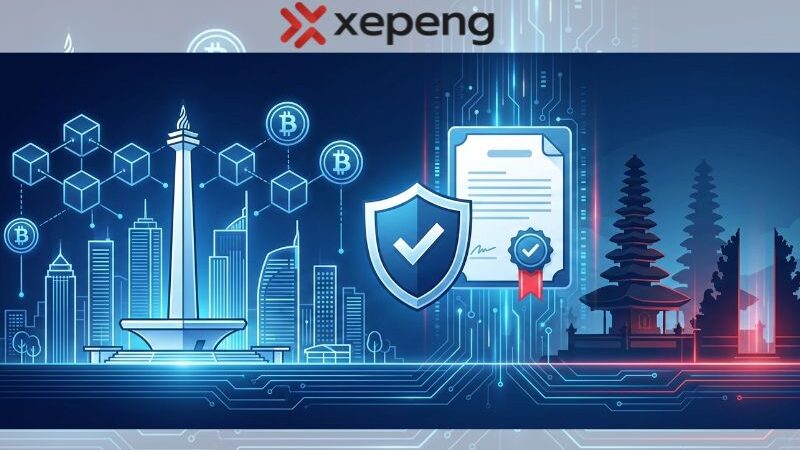
Indonesia is experiencing rapid growth in cryptocurrency adoption, especially among international users and travelers interested in crypto Bali services. Despite this interest, crypto activities in Indonesia operate under strict government regulations that clearly separate investment usage from payment usage.
Understanding these rules is essential for anyone involved in crypto payment Indonesia or looking for compliant ways to convert digital assets into local currency.
Legal Position of Cryptocurrency in Indonesia
Cryptocurrency is not recognized as an official payment instrument in Indonesia. The law states that Rupiah is the only legal tender for domestic transactions. As a result, businesses are not allowed to accept crypto directly for goods or services.
However, cryptocurrency is fully legal as a digital asset. Individuals and companies may legally own, trade, and store crypto through registered platforms. This distinction allows regulated crypto to IDR Indonesia activities while maintaining national currency sovereignty.
Regulatory Authorities and Oversight
Since 2025, crypto regulation has been supervised by the Financial Services Authority or OJK. All crypto exchanges and service providers must meet regulatory standards related to licensing, capital requirements, consumer protection, and data security.
This framework strengthens trust in the ecosystem and supports the development of compliant infrastructure, including secure platforms that facilitate crypto transactions within legal boundaries.
Rules for Crypto to Rupiah Conversion
Crypto to Rupiah conversion is permitted in Indonesia when conducted through officially licensed platforms. Users in Bali and other regions can legally perform crypto to IDR Bali transactions as long as the service provider operates under Indonesian regulatory approval.
Using unregistered platforms increases legal and financial risk. For safety and compliance, users should rely on providers that prioritize transparency and regulatory alignment.
Taxation on Crypto Transactions
The Indonesian government applies taxation to crypto transactions to ensure accountability. Income tax is charged on crypto sales, while value added tax applies to related services such as platform fees and asset custody.
Lower tax rates are generally applied when transactions are processed through domestic licensed platforms, reinforcing the importance of using compliant services rather than offshore alternatives.
Implications for Businesses and Users
For investors, crypto remains a legitimate asset class with the ability to be converted into Rupiah through regulated channels. This supports continued demand for reliable crypto to IDR Indonesia services.
For businesses, especially in tourism driven areas like Bali, direct crypto payments are still not permitted. However, growing demand has opened opportunities for secure crypto payment platforms that focus on legal conversion and settlement rather than direct crypto acceptance.
Conclusion
Indonesia has established a clear and balanced approach to crypto regulation. While crypto cannot function as a payment method, it is legally recognized as an investment asset that can be converted into Rupiah through licensed platforms.For users exploring crypto opportunities in Indonesia, understanding these regulations is key to safely navigating crypto Bali, compliant conversion services, and regulated crypto infrastructure.