
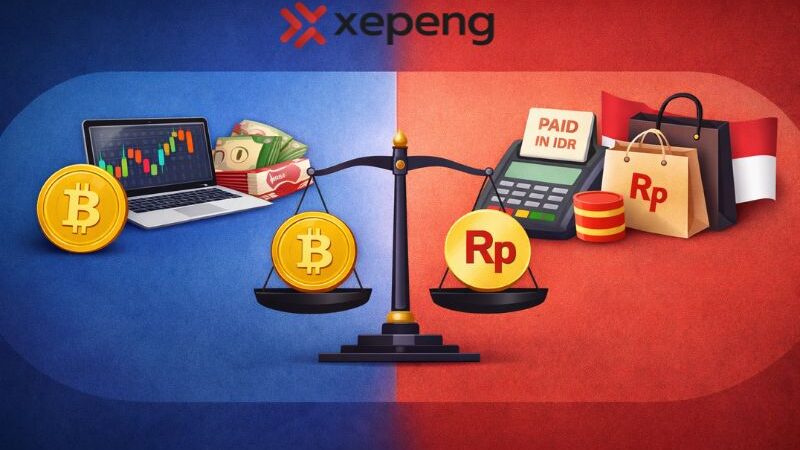
As cryptocurrency adoption expands, many users assume that crypto trading and crypto payments follow the same legal rules. In Indonesia, however, these two activities are regulated very differently.
Understanding the legal differences between crypto trading and crypto payments is crucial for investors, merchants, and businesses especially those offering crypto to rupiah conversion, crypto payments in Indonesia, or crypto to IDR services in Bali.
This article explains how Indonesian law treats crypto trading versus crypto payments and what that means for compliance.
What Is Crypto Trading?
Crypto trading refers to buying and selling cryptocurrencies as digital assets for investment or speculative purposes.
Legal Status of Crypto Trading in Indonesia
Crypto trading is:
- Fully legal
- Recognized as digital asset trading
- Regulated by the Financial Services Authority (OJK)
Crypto traders operate through licensed exchanges, and all transactions are subject to government oversight and taxation.
Regulatory Framework for Crypto Trading
Crypto trading platforms must:
- Be licensed by OJK
- Follow AML and CFT regulations
- Report transactions to tax authorities
This framework allows individuals to legally trade crypto and convert assets through regulated crypto to IDR Indonesia platforms.
What Are Crypto Payments?
Crypto payments involve using cryptocurrency as a means of payment for goods or services.
In Indonesia, this is where legal restrictions apply.
Legal Status of Crypto Payments in Indonesia
Under Indonesian law:
- ❌ Cryptocurrency is not legal tender
- ✅ Only Indonesian Rupiah (IDR) can be used for payments
This means direct crypto payments are not allowed. However, crypto payments can operate legally through a conversion-based model.
How Crypto Payments Work Legally in Indonesia
To comply with regulations, crypto payment Indonesia services must follow this structure:
- Customer pays using crypto
- Crypto is instantly converted to IDR
- Merchant receives settlement in rupiah
This enables:
- Legal crypto to rupiah conversion
- Compliance with Bank Indonesia regulations
- Secure settlement for merchants
This model is commonly used in crypto Bali use cases, especially in tourism and hospitality.
Crypto Trading vs Crypto Payments: Key Legal Differences
| Aspect | Crypto Trading | Crypto Payments |
| Legal Status | Fully legal | Allowed only via conversion |
| Regulatory Authority | OJK | OJK + Bank Indonesia |
| Purpose | Investment & trading | Payment settlement |
| Currency Settlement | Crypto or IDR | IDR only |
| Taxation | Final income tax | Service-based taxation |
| Compliance Level | Exchange-based | Platform & merchant-based |
Crypto to IDR Conversion: The Legal Bridge
The key element connecting trading and payments is crypto to IDR conversion.
This process:
- Makes crypto payments compliant
- Ensures merchants receive IDR
- Enables pay with crypto Bali experiences legally
A licensed secure crypto payment platform manages this conversion transparently and in real time.
Crypto Payments in Bali: A Practical Example
Bali has become a hub for crypto adoption due to international tourism.
Why Crypto Payments Work in Bali
- Tourists pay using crypto
- Merchants receive IDR
- Transactions comply with Indonesian law
This makes crypto to IDR Bali solutions ideal for hotels, villas, restaurants, and service providers.
Compliance Risks to Avoid
Using crypto incorrectly may result in:
- Regulatory violations
- Payment blocking
- Tax penalties
Merchants and users should avoid:
- Accepting direct crypto without conversion
- Using unlicensed platforms
- Ignoring reporting obligations
Why Secure Crypto Payment Platforms Matter
A secure crypto payment platform ensures:
- Legal compliance
- Accurate crypto to IDR conversion
- Transparent fees
- Data and transaction security
This protects both businesses and customers while supporting long-term adoption.
Future Outlook: Trading and Payments in Indonesia
Indonesia’s regulatory approach shows:
- Strong support for regulated crypto trading
- Controlled adoption of crypto payments
- Growing infrastructure for crypto-to-fiat services
As regulations evolve, compliant platforms will play a central role in expanding crypto usage safely.
Conclusion
The legal difference between crypto trading and crypto payments in Indonesia is clear:
- Crypto trading is fully legal and regulated
- Crypto payments must operate through IDR conversion
For businesses and users, understanding this distinction is essential. By using compliant crypto to IDR Indonesia solutions and a secure crypto payment platform, crypto can be used safely and legally across Indonesia including Bali.