
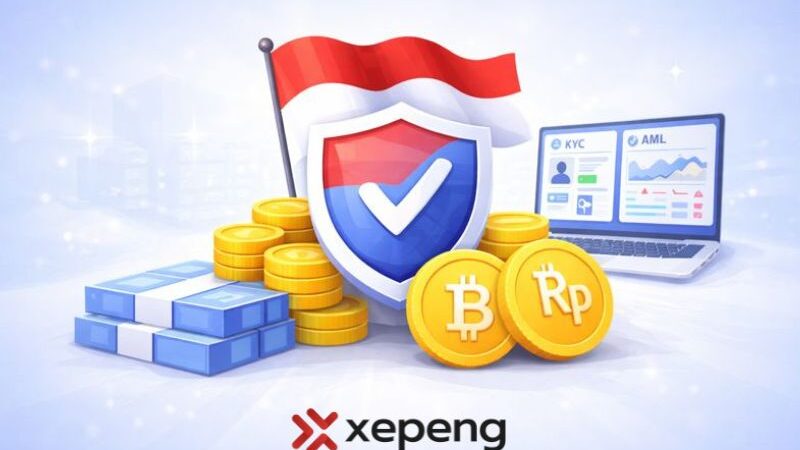
Crypto regulation in Indonesia can feel confusing.
Different rules. Different authorities. Different interpretations.
This article summarizes the key takeaways of crypto regulation in Indonesia, helping businesses and users understand what truly matters and what actions to take next to stay compliant.
Crypto Is Legal in Indonesia, but Not as Currency
The most important rule is simple:
Crypto is legal in Indonesia.
Crypto is not legal tender.
What this means in practice:
- Crypto is allowed as a digital asset
- Crypto cannot replace Rupiah (IDR)
- All transactions must settle in Rupiah
Understanding this principle prevents most regulatory and compliance mistakes related to crypto usage.
Rupiah Remains the Final Settlement Currency
Indonesian law strictly protects Rupiah as the country’s official currency.
As a result:
- Prices must be denominated in Rupiah
- Final settlement must occur in Rupiah
- Crypto cannot be used for direct payments
Crypto may support transactions only when it is converted properly and settled in IDR.
Crypto Is Regulated as a Digital Commodity
In Indonesia, cryptocurrency is regulated as a digital commodity, not as money.
This framework allows:
- Legal crypto trading
- Asset ownership and portfolio management
- Regulated crypto platform operations
However, these activities are only legal when platforms comply with Indonesian regulatory requirements.
Platform Compliance Determines Crypto Legality
Not every crypto platform operating in Indonesia is legal.
A compliant crypto platform in Indonesia must:
- Follow Indonesian regulatory rules
- Apply KYC (Know Your Customer) and AML (Anti–Money Laundering) controls
- Monitor transactions responsibly
- Settle all funds in Rupiah
- Work with Indonesian banking partners
Platform choice directly affects legal exposure and banking access.
Crypto Payments Require a Compliant Structure
Direct crypto payments are not allowed in Indonesia.
However, crypto can still be used indirectly.
The legal crypto payment structure works as follows:
- Crypto is used as a value transfer
- Crypto is converted through a compliant platform
- Rupiah is settled
- Merchants receive IDR in their bank accounts
This conversion-based model enables real-world crypto usage without violating Indonesian law.
Key Takeaways on Crypto Regulation in Indonesia
At a glance:
- Crypto is legal as a digital asset
- Rupiah is the only legal tender
- Direct crypto payments are not allowed
- Conversion-based usage is legal
- Platform compliance is mandatory
If you understand these points, you already avoid most crypto-related regulatory issues in Indonesia.
How Xepeng Helps Businesses Stay Compliant
Understanding regulation is one thing.
Implementing it correctly is another.
Xepeng is built around Indonesia’s crypto regulation framework to help businesses operate safely and legally.
With Xepeng, businesses can:
- Accept crypto value without treating crypto as currency
- Automatically convert crypto into Rupiah
- Receive settlement directly into Indonesian bank accounts
- Avoid holding crypto or managing wallets
- Reduce legal, compliance, and banking risk
Crypto remains an asset.
Rupiah remains the settlement.
For businesses serving international customers or exploring crypto-related payments, a compliant setup is essential. Learn how regulated crypto-to-Rupiah settlement works at xepeng.com.
FAQ: Crypto Regulation in Indonesia
Is crypto legal in Indonesia?
Yes. Crypto is legal as a regulated digital asset, not as currency.
Can crypto be used to pay merchants directly?
No. Payments must be converted and settled in Rupiah.
Are crypto platforms regulated in Indonesia?
Yes. Platforms must comply with regulatory, operational, and reporting rules.Do Indonesian banks support crypto transactions?
Yes when compliance requirements are met.